Hedge Trimming in Chigwell

Hedge trimming in Chigwell should leave boundaries neat, growth balanced and the shape suited to the plant, rather than simply cutting everything back to the same line. We provide a practical hedge trimming service for domestic gardens and managed outdoor spaces, with attention to clean finishing, controlled reduction and ongoing maintenance. The aim is straightforward: keep hedges healthy, keep them looking orderly and keep them from becoming awkward to manage.
Different hedges need different treatment. Some respond well to frequent light trims, while others need a more careful approach to avoid bare patches or stressed growth. We work with the hedge itself in mind, whether the job is a straightforward tidy-up, a height reduction, a side trim or a broader maintenance visit. Good trimming is about control as much as appearance, and the right method depends on the plant, its size and the result you want.
If you are planning hedge work and want a clear figure for the task, request a quotation once you have decided what needs trimming. For larger or more detailed jobs, it helps to know whether the hedge needs shaping, reduction or clearance at the same time, as that can affect the scope of work. A short enquiry with the main details is usually the best place to begin.
Routine Hedge Trimming and Seasonal Maintenance
Regular hedge trimming keeps lines consistent and makes later upkeep easier. It can help stop a hedge from becoming too wide, too tall or uneven at the top, especially where one side catches more growth than the other. We handle routine maintenance cuts that preserve form and keep the hedge within the space available, which is often important along drive edges, boundary lines and front gardens where presentation matters.
Seasonal growth also affects how a hedge should be managed. Faster-growing hedges may need attention more often, while slower or older hedges may benefit from a lighter hand. Our approach is to remove the growth that is out of shape while keeping enough foliage for the hedge to recover well. If a hedge is to be maintained over time, consistency in method matters more than taking off too much in one visit.
For a broader view of the work we can support, see our services overview and, where you want ongoing outdoor upkeep, our garden maintenance page. Those pages are useful when hedge work forms part of regular garden care rather than a single isolated cut. Keep it simple at the start: tell us the hedge type, approximate length and the finish you want.
Shaping, Height Reduction and Neater Boundaries

Some hedges need more than a trim. When growth has moved beyond its intended line, careful shaping can restore proportion and make the boundary feel managed again. Height reduction may be suitable where a hedge has become too high for easy care or is overshadowing a path, fence line or planting bed. This work needs judgement, because the best result often comes from reducing the hedge gradually rather than forcing an extreme cut that leaves it sparse.
A clean finish depends on more than the front face. Tops, sides and corners all affect the final look, and a hedge that has been left to drift can need attention on several planes at once. We work to improve the overall outline, not just clip the most obvious growth. That makes the hedge easier to keep tidy later, especially when the shape has become irregular after a long gap between visits.
If your hedge is part of a defined boundary, this kind of trimming can make the garden feel more orderly without changing the character of the planting. If the hedge is also contributing to privacy, that should be considered before any substantial reduction is planned. For related work on broader outdoor improvements, our landscape gardening page gives a useful route into more extensive garden changes.
What We Trim and How the Work Is Planned
We trim a range of common hedge forms, from small ornamental edges to taller boundary hedges that need more controlled cutting. The practical details matter: the plant species, the current size, whether access is clear on both sides and whether clippings need to be collected from lawn, paving or planted borders. These points affect how the work is organised and how long it may take.
It also helps to think about the end result before the cut begins. Some customers want a crisp formal line; others prefer a softer natural shape that still looks cared for. In either case, the work should suit the hedge rather than forcing every plant into the same profile. Where the hedge forms part of a wider garden, small changes in line and height can make a noticeable difference to how the whole space reads.
For jobs that involve wider planting areas as well as hedge work, our landscaping page may be relevant. If the hedge trimming forms part of a combined garden tidy rather than a single isolated task, our garden clearance page may also be useful. Think in terms of the finish you want and the practical access available, then ask for a quotation when you are ready.
Careful Cutting for Plant Health

Healthy hedge trimming should remove surplus growth without leaving the plant exposed to unnecessary stress. That means using a measured approach and avoiding over-cutting where the hedge has not been maintained regularly. A hedge that is trimmed too aggressively can struggle to recover evenly, whereas a well judged cut supports thicker, tidier regrowth and a more stable shape over time.
Different plants behave in different ways after trimming. Some respond well to frequent shaping, while others need a more restrained finish and better timing. We aim to work in a way that respects the hedge’s growth habit, so the finished result looks tidy now and remains manageable later. This is especially important where the hedge forms a long boundary or screens a sitting area, because recovery and appearance both matter.
If the hedge is part of a larger garden routine, it can be helpful to coordinate trimming with other maintenance tasks. Our lawn mowing page may be useful where borders and lawns are being maintained together, and our tree lopping and removal page may be relevant if taller tree growth is affecting the space around the hedge. Where trimming is only one part of a broader tidy-up, group the tasks together before you enquire.
Finishing Touches, Access and Clippings
Good hedge work includes the practical finish as well as the cut itself. Once the trimming is complete, the site should be left in a usable condition, with the main waste handled sensibly and the trimmed line looking deliberate rather than hurried. Access is often important here, particularly where a hedge runs beside paths, parked vehicles, narrow side entrances or planting beds that need to be protected while work is under way.
Before a quotation is prepared, it is sensible to have a clear picture of the hedge’s length, approximate height and any awkward sections such as corners, mixed growth or overhanging areas. A few straightforward details usually make the planning easier. You do not need to overcomplicate the request; just explain what the hedge is, where it runs and what outcome you want from the trimming.
If you are comparing service options, our pricing and quotes page may help you understand how enquiries are handled. Where the trimming forms part of a more environmentally aware approach to garden work, you may also find our recycling and sustainability page useful. When you are ready, send the key details and request a quotation.
About Chigwell
Chigwell is a town in the Epping Forest district of Essex, on the north-eastern edge of Greater London. It lies close to the ancient woodland of Epping Forest and has long been associated with a mix of suburban streets, older village patterns and green edges that give the settlement a distinct character. The name is well known through literature, too: Chigwell appears in Charles Dickens’s Barnaby Rudge, which helped fix it in the public imagination as a place just beyond the capital but still tied to its own local identity. Historically, the parish developed around agriculture and woodland, and traces of that older landscape remain in the nearby open spaces and surviving historic routes.
Hedge Trimming for Tidy, Manageable Outdoor Spaces
For many properties, hedge trimming is most effective when it is treated as part of the garden’s overall order. A hedge that is kept in proportion can frame lawns, soften fences and define boundaries without overwhelming the rest of the planting. Our work is suited to customers who want the hedge reduced to a neat, manageable line and kept in a condition that is practical to maintain in future visits. The focus is on clean edges, sensible cuts and a result that sits comfortably within the garden.
Where hedges are mixed with other planting or wider outdoor improvements, a single visit may need more than one type of work. In those cases, it is useful to identify the main priority first: is the hedge simply overdue a trim, does it need shaping, or does the line need to be cut back to bring the space back under control? If you want a fuller picture of what can be combined, our landscape gardening page can sit alongside hedge trimming planning in a useful way.
Two simple steps help keep the enquiry process efficient. First, note any particularly tall, wide or awkward sections. Second, say whether you want the clippings removed or just the hedge trimmed and left tidy. With that information, a quotation can be based on the actual work required rather than a rough guess.
Formal Hedges, Informal Hedges and Practical Choices
Not every hedge should be cut to the same sharp finish. Formal hedges usually benefit from more exact lines and repeated light trimming, while informal hedges may look better with a softer outline that follows the plant’s natural habit. The right choice depends on the hedge species, the space it occupies and how visible it is from the house, pavement or garden seating area.
Where the hedge is near a boundary, the main priority may be keeping the width under control so it does not encroach on paths or neighbouring areas. In front gardens, the goal is often a smart appearance that complements the property. In larger gardens, the hedge may act as a backdrop rather than the main feature, so the cut can be more restrained. Whatever the setting, a measured trim is usually better than trying to force an unsuitable shape.
If a hedge has become too large for routine care, it may need a more considered approach over more than one visit. That is not always necessary, but it is worth thinking about when the hedge is mature or has been left for a long period. For related upkeep around the rest of the garden, you may also wish to look at our decking services page if a timber surface sits close to the hedge and needs to be kept clear and presentable.
Working Around Borders, Paths and Other Garden Features
Hedge trimming often involves working carefully around borders, paving and nearby features that should not be damaged by overreaching cuts or falling clippings. A well planned approach protects the surrounding garden while keeping the hedge line accurate. This matters just as much on small domestic plots as it does in larger gardens, because one awkward edge can spoil the overall finish. The work should feel controlled from start to finish.
Where a hedge sits beside planting beds, it may need a cleaner edge to stop it from blurring into the border. Along paths or driveways, a narrower profile can improve the sense of space and make routine access easier. These are practical decisions, not just visual ones. The best trimming choice is usually the one that keeps the hedge healthy, the route clear and the garden easy to look after next time.
For customers who need combined outdoor maintenance rather than hedge work alone, our garden maintenance page provides a helpful next step. If the hedge forms part of a wider landscape project, the landscaping page may also be worth reviewing. Keep the brief focused, then ask for a quotation once you know what needs cutting and what should remain untouched.
Final Planning, Costs and Next Steps
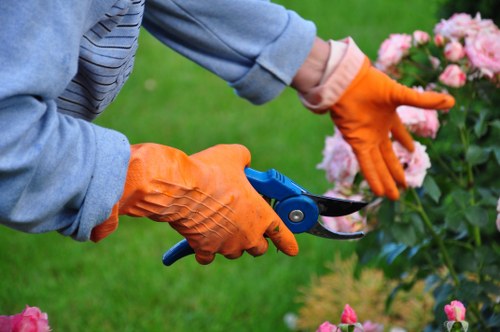
The main factors in a hedge trimming quotation are usually straightforward: the hedge size, the amount of growth to remove, the accessibility of the site and whether waste handling is part of the task. If the hedge is tall, wide or difficult to reach, the work may take more time and care than a basic tidy. Likewise, a hedge that has not been cut for a while may need a more involved approach than one that is trimmed regularly.
It helps to be clear about the outcome you want. Some customers want the hedge reduced and rebalanced; others want a tidy, even finish with no major change in height. If you are unsure which approach suits your hedge, describe its current condition and the result you are aiming for. That allows the work to be matched to the plant rather than forcing a one-size-fits-all cut. Clear information leads to a clearer quotation.
When you are ready, request a quotation and outline the hedge, the area it covers and any access points that matter. If you are also planning related garden work, the contact us page is the place to send your enquiry alongside the details of the trimming job. For garden care that includes other tasks, the best result usually comes from combining what needs doing into one well explained request.