Hedge Trimming Chigwell: Recycling and Sustainability
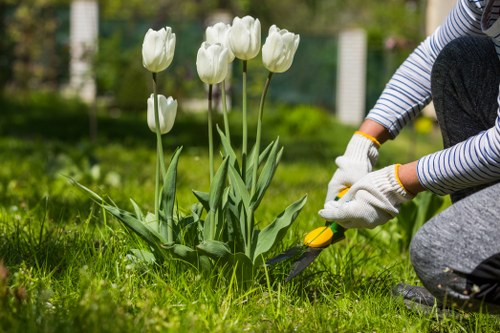 At Hedge Trimming Chigwell we place sustainability at the heart of every cut and clearance. Our approach to hedge maintenance in Chigwell balances neat, safe gardening work with a clear, measurable commitment to eco-friendly waste disposal and a sustainable rubbish gardening area. We recognise that tidy hedgerows and responsible green waste handling go hand-in-hand: pruning should not create unnecessary landfill, and every branch or brash can be an opportunity for reuse, composting or community benefit.
Our local hedge care teams follow a borough-aware approach that mirrors the local councils' waste separation policies. By aligning hedge trimming in Chigwell with the neighbouring councils' expectations — whether that means separating biodegradable garden waste into green bins or using food-waste caddies where appropriate — we ensure that collections are compliant and recyclable material is kept out of mixed waste.
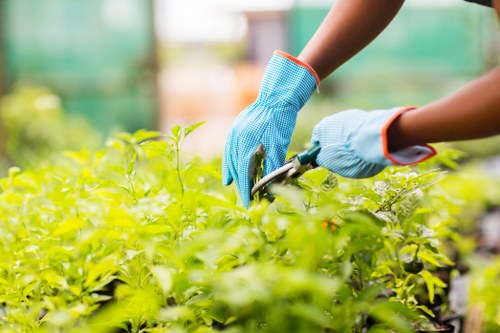 We have set a clear recycling percentage target for our green operations: a baseline objective of 65% recycled or diverted from landfill within the next two years, rising to 75% by 2030. This target covers all garden waste streams from routine hedge maintenance, including cuttings, deadwood, brambles and cleared soil where reusable. Reaching these goals relies on careful on-site segregation and strong partnerships with transfer facilities and community organisations.
Local transfer stations and responsible routing
We work with a network of local transfer stations and civic amenity sites in and around Chigwell, coordinated with Essex and the bordering London boroughs. By directing different materials to the correct local facilities — green waste to composting sites, clean wood to biomass or reprocessing, and inert soil to licensed aggregate reuse points — we reduce handling and cut overall emissions from double-handling. Our route planning is designed so low-carbon vans visit the appropriate transfer station directly, minimising freight miles and emissions.
 Our fleet transition is a key feature of our low-carbon strategy. We now deploy a mix of electric vans for short, local hedge trimming jobs and low-emission hybrid vehicles for longer transfers. Telematics and route optimisation software reduce empty running and allow teams to consolidate drop-offs to local transfer stations in a single trip. These operational changes lower our carbon footprint while maintaining the responsiveness clients expect.
We also keep records of waste tonnages and destinations, enabling transparent reporting on recycling rates and carbon savings. This data-driven approach helps us iterate on the service and meet the strong sustainability ambitions we've set for our hedge care services in the Chigwell area.
Partnerships with charities and community re-use
We actively partner with local charities and community groups to give good-quality green materials a second life. Live hedge cuttings, larger sections of managed hedgerow, and good-grade timber can be donated to community gardens, wildlife trusts and local craft organisations for use in habitat projects, raised beds or natural fencing. These relationships create a sustainable rubbish gardening area that benefits neighbourhood biodiversity and local projects while keeping usable material out of disposal streams.
Key actions include:
- Donation coordination with community allotments and social enterprises for usable wood and heavy branches.
- Composting partnerships that turn shredded hedge trimmings into soil conditioner for parks and volunteer growers.
- Reuse programmes for sound timber delivered to community carpenters or biomass processors where appropriate.
These programmes are designed to complement local council collection schemes rather than replace them: for example, if the borough separates garden waste into green bins or garden sacks, we ensure any materials we collect follow that separation method so the correct local transfer station can process them.
As part of our environmental pledge, Hedge Trimming Chigwell trains all staff in on-site segregation: woody material, leafy cuttings and compostable waste are handled differently to avoid contamination. We use shredders where appropriate to increase the proportion of material suitable for composting and reduce bulk for transport. Where composting on-site is impractical, shredded material is routed to licensed municipal or community composting facilities.
 Reducing carbon emissions isn't only about vehicles: equipment choices matter too. We favour battery-powered hedge trimmers, quieter electric blowers and regularly serviced petrol tools tuned for fuel efficiency. The combined effect of cleaner tools, low-carbon vans and smarter logistics helps lower the carbon intensity of each job, making Chigwell hedge trimming greener without compromising standards.
 Monitoring and community reporting bring accountability to our targets. We publish annual summaries of recycling rates, charity donations and fleet emissions reductions. If we fall short of the 65% recycling target in any quarter, corrective actions — such as increasing direct deliveries to composting sites or expanding charity partnerships — are implemented promptly.
Ultimately, whether you call it Hedge Trimming Chigwell, Chigwell hedge trimming, or local hedge maintenance in Chigwell, our sustainable rubbish gardening area initiative is about practical, verifiable outcomes: more green material recycled or reused, fewer journeys to landfill, and better support for community projects. By aligning with boroughs' waste separation practices, using low-carbon vans, and working with local transfer stations and charities, we make every hedge job part of a greener local circular economy.
Our promise is simple: tidy hedges, thriving streets, and a clear path to higher recycling percentages — all delivered with care for Chigwell's local environment and the communities that live here.